To Buy Finasteride Online Visit Our Pharmacy ↓

How Finasteride Works on Hair Loss
Finasteride works by blocking the enzyme that converts testosterone into DHT, the hormone most often tied to male pattern hair loss. With less DHT circling the scalp, follicles are less stressed and can stay active for longer. Over time, that can slow shedding and help preserve the hairs you still have.
It does not wake up every dormant follicle overnight, but it can create a better enviroment for thinning areas to stabilize. For some people, this means finer hairs become stronger and more visible again. For others, the main benefit is simply keeping loss from advancing so quickly.
| Benefit | What it means |
| Lower DHT | Less follicle miniaturization |
| Slower shedding | Hair is retained longer |
| Possible thickening | Some hairs look fuller |
What Regrowth Finasteride Can Actually Deliver
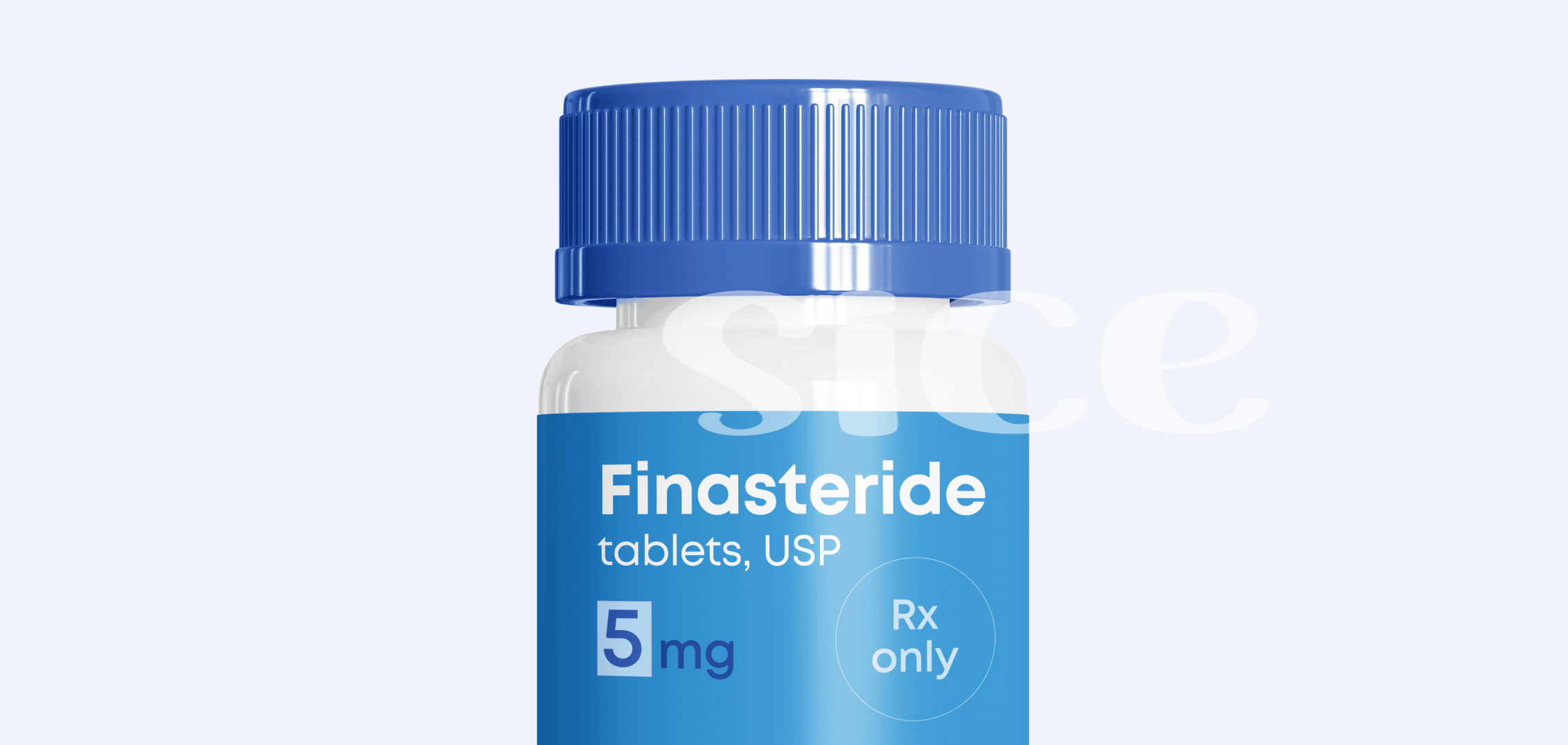
Finasteride can thicken miniaturized hairs, so the scalp often looks fuller rather than suddenly transformed. Many people notice less shedding before any visible regrowth appears.
The gains are usually modest but meaningful: improved density at the crown, stronger strands, and better coverage in areas that still have active follicles. It works best where thinning is recent, not where hair has been gone for years.
Think of finasteride as a stabilizer first, a regrowth aid second. Some users see their hairline look sharper, while others mainly keep what they already have, which can still feel like a win.
Results are not dramatic for everyone, yet preserving hair and recovering small patches can make daily styling easier and confidence more consistent.
Timeline: When Visible Results Usually Begin
Many people expect instant changes after starting finasteride, but hair responds slowly. In the first few weeks, the drug is working behind the scenes, reducing the hormone that fuels thinning. That means the true process is gradual, not dramatic, and patience matters more than quick visual clues.
Most men begin to notice a change after about three to six months, often as less shedding before obvious regrowth appears. By the one-year mark, the difference can become clearer, especially in areas that are still active. Teh biggest gains are usually modest thickening and stabilization rather than a full return to a youthful hairline.
If progress feels subtle at first, that is normal. Hair grows in cycles, so what looks unchanged in one mirror check may be improving over time. Regular photos taken every few months can reveal the slow but real effect of finasteride and keep expectations grounded.
Common Reasons Results May Feel Underwhelming

Many people start finasteride hoping for thick, dramatic changes, then feel disappointed when mirror results seem slow or modest. That reaction is common, because finasteride mainly protects existing follicles from further miniaturization rather than creating a completely new hairline. If loss has been progressing for years, the visible improvement may look subtle at first.
The answer often lies in timing, expectations, and the starting point. Someone with early thinning may notice better density, while advanced loss can simply stop worsening. Stress, inconsistent use, and untreated scalp issues can also cloud the picture. Patience matters, because real progress is often measured in preservation, not a sudden transformation.
Some users also compare their results to photos taken in flattering light, making benefits feel smaller than they are. A good way to judge finasteride is by looking at shedding, part width, and overall stability over several months. It may not feel dramatic, but it can still be meaningful.
Pairing Finasteride with Other Hair Strategies
Finasteride often works best as the anchor, not the entire plan. Many men pair it with a gentle shampoo, consistent scalp care, and a balanced diet to support healthier growth conditions.
If shedding is heavy, a dermatologist may suggest minoxidil to complement finasteride. That combination can help protect existing hair while encouraging thinner areas to look fuller over time.
A marked routine matters too: sleep, stress control, and patience can all improve how results feel. Small habits won’t create miracles, but they can make progress more noticeable and sustainable.
| Strategy | Role |
|---|---|
| Minoxidil | Supports regrowth |
| Scalp care | Helps overall health |
Setting Realistic Long-term Hair Maintenance Goals
Long-term success with finasteride is less about chasing dramatic change and more about preserving the hair you still have. Many people do best when they think in terms of stabilization first, then modest thickening over time. That shift in expectation can make progress feel more rewarding, because even slowing ongoing loss is a real win. Consistency matters, too, since missed doses can weaken results. NCBI review and AAD overview offer useful background.
A practical plan is to check results every few months, compare photos under similar lighting, and adjust your broader hair routine only when needed. Some men will maintain for years with finasteride alone, while others may add supportive treatments to keep density looking balanced. The goal is not to restore a teenage hairline, but to build a sustainable routine that protects coverage and confidence. With that mindset, expectations stay grounded, and the experiance feels far less frustrating.
http://pharmax.net/image/custom/jpg/xifaxan.html https://newleafcounselinggroup.org/wp-content/uploads/2025/01/png/strattera.html