To Buy Bactrim Online Visit Our Pharmacy ↓
What Bactrim Is and How It Works
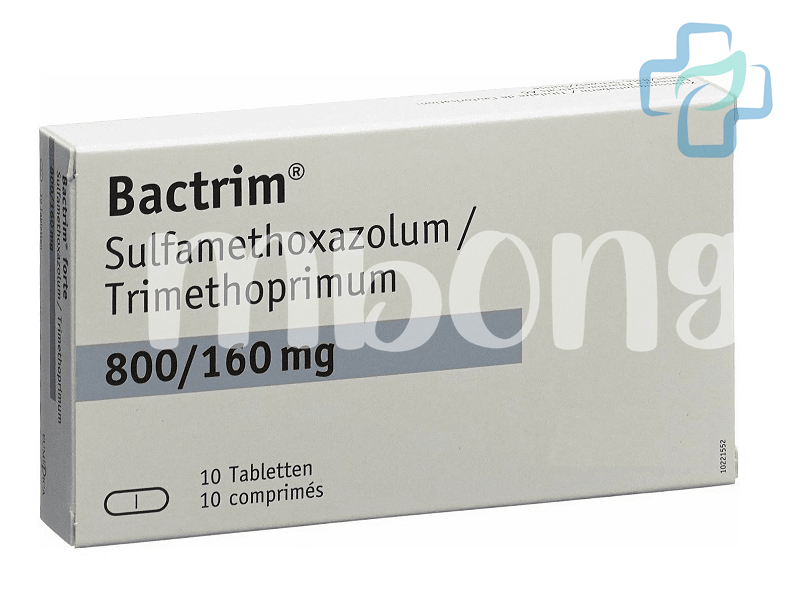
Bactrim is a prescription antibiotic made from sulfamethoxazole and trimethoprim. Together, these ingredients stop bacteria from making the folate they need to grow, helping your immune system clear the infection. It’s often used for urinary tract infections, bronchitis, and some skin infections, and the improvement can feel steady rather than instant.
Teh medicine is taken by mouth and works best when doses are spaced exactly as prescribed. Because it targets bacterial growth, Bactrim does not treat viral illnesses like colds or flu. Patients may notice mild stomach upset or a strange taste, but the main goal is to stop infection early and keep it from spreading.
What Happens When Alcohol Meets Bactrim
When alcohol meets bactrim, the body may feel the strain a little faster than expected. Both can irritate the stomach, so nausea, flushing, or dizziness may appear more strongly than if you took the medicine alone. Some people notice their energy drop, and the combination can make it harder to stay hydrated and focused, especially if they are already fighting an infection.
For many patients, a small amount of alcohol may not cause a major reaction, but the risk is still higher when drinking is frequent or heavy. Since bactrim can already cause upset stomach and headache, alcohol can add to that discomfort and make recovery feel slower. If you choose to drink, keep it modest and pay close attention to how your body responds.
Common Side Effects That May Get Worse
Bactrim can already leave some people feeling queasy, tired, or a little dizzy. When alcohol enters the picture, those discomforts may become more noticable, turning a mild headache into a rough evening.
Some people also report stomach upset, flushing, and trouble focusing while taking bactrim. Drinking may intensify these effects, making it harder to rest, work, or keep up with normal routines.
If your body is already sensitive to the medicine, alcohol can push it further. You might feel more nauseated, lightheaded, or weak than expected, even after just one drink.
Teh safest approach is to watch how you feel and avoid adding stress to your recovery. Even if reactions are mild, stacking alcohol on top of side effects can make the experience much harder.
When Mixing Might Be Especially Risky
Teh risk climbs for people who drink heavily, skip meals, or already feel weak from infection. In those moments, bactrim can add nausea, dizziness, and stomach upset to an already taxed body.
If you have kidney problems, liver disease, or take other medicines, alcohol may make side effects feel stronger and recovery slower. The mix is definately less forgiving when your system is under stress.
People with a history of allergic reactions should be extra careful, since warning signs can be harder to notice. Dehydration and poor appetite can also make the combination more uncomfortable.
During a fever, vomiting, or a long course of treatment, it is wise to pause alcohol and let your body focus on healing.
Safer Drinking Guidelines during Treatment
If you choose to drink while taking bactrim, keep it light and slow. A single small drink with food is less likely to cause trouble than several cocktails. Water, a meal, and a calm evening can help your body handle the medicine better, and they may reduce nausea or dizziness. If you feel unwell, skip alcohol and let your recovery stay the priority.
It is wise to avoid drinking if you have a sensitive stomach, are already feeling tired, or notice a rash or headache.
| Tip | Why it helps |
| Eat first | May lower stomach upset |
| Limit drinks | Reduces strain on your body |
| Hydrate well | Helps you feel steadier |
Warning Signs That Need Medical Attention
If you develop a rash, trouble breathing, or swelling of the face, lips, or tongue, seek urgent help right away. These can signal an allergic reaction, and they should never be ignored. A high fever, severe dizziness, or fainting can also mean the drug is not sitting well with your body, especially if alcohol has added to the strain.
Watch for severe nausea, repeated vomiting, or diarrhea that will not stop, because dehydration can set in quickly. Confusion, unusual weakness, yellowing of the skin or eyes, or dark urine are also red flags. If these symptoms appear, stop drinking and contact a doctor promptly for guidance.
Even milder symptoms can become important if they suddenly intensify after you take Bactrim and drink. Trust your instincts: if something feels off, it is safer to check in early than to wait. For more information, see MedlinePlus and NCBI Bookshelf.
https://medilaw.com/wp-content/uploads/2015/01/png/fildena.html https://auriculotherapy.org/wp-content/uploads/2025/01/png/priligy.html